
About Kevin
I began contracting in 1973. The work, the industries, and especially the technology have changed many times since then.
One thing has remained remarkably consistent: I like understanding how things work, figuring out why they don't work, and finding a practical way to make them work better.
That approach has carried me through hardwood lumber, electronics, the U.S. Navy, industrial technology, computer networks, databases, financial applications, business intelligence, automation and whatever I happen to be building today.
The Key to My Professional Growth
My professional growth has always depended less on knowing one particular technology than on learning how to adapt when the technology changes.
Focus, discipline and adaptability matter. So does the ability to stay in the moment, deal with ambiguity, shift gears when necessary and make reasonable decisions without always having the complete picture.
Information systems and technology never stop changing. Staying current therefore became part of the job. The important question was never simply which technology I knew. It was which technology made sense for the problem that needed to be solved.
Identify the problem. Gather the information. Develop the criteria. Analyze the possibilities. Select and implement a solution. Then look for a way to improve the system or process.
Where It Started
1973-1981 - Hardwood Lumber Industry
My working career began far from computers. I attended the National Hardwood Lumber Inspection School in Memphis, Tennessee and became a National Hardwood Lumber Inspector.
The work included lumber inspection, yard operations, kiln operations, shipping and receiving, and eventually management responsibilities. I also worked as a mediator between buyers and sellers when disputes arose over the grading of hardwood lumber.
My territory included Tennessee, Kentucky, southern Ohio and Indiana, and eastern Missouri. It was practical, hands-on work involving people, judgment and responsibility.
The Navy Years
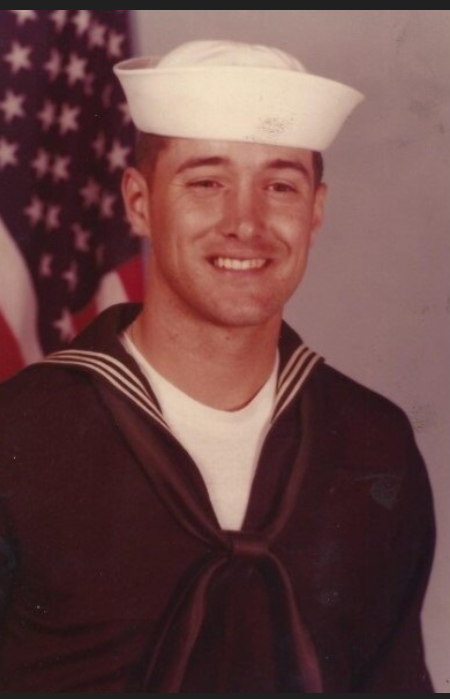
1981-1987 - United States Navy
In 1981 my direction changed dramatically when I entered the U.S. Navy.
Four years of advanced electronics training and schools led to work with missile-control radar and computer systems. I later had operational responsibility for those systems aboard a guided-missile cruiser.
Electronics, computers, troubleshooting, discipline and responsibility became part of the foundation for nearly everything that followed.
From Electronics to Computers
1987-1993 - Electronic & Electrical Contracts
After active Navy service, I continued working with advanced electronic and electrical systems.
The projects included instrumentation, robotics, HVAC controls and data logging. Computers were becoming an increasingly important part of those systems, and my work gradually followed them.
Eventually the computer stopped being one component of the job and became the job.
Computer Contracting
1993-2005
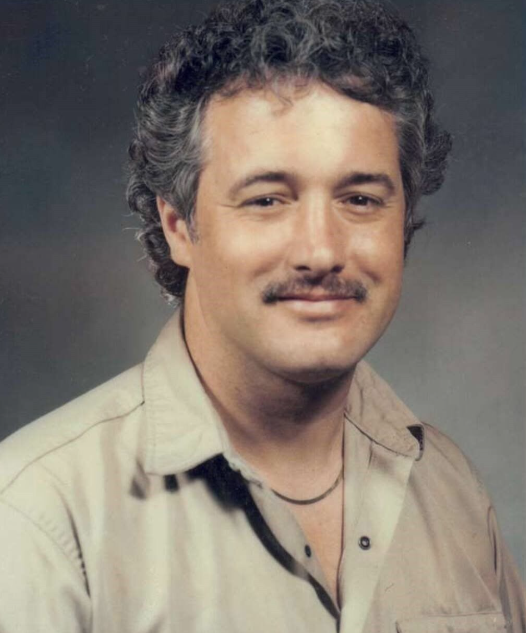
Beginning in 1993, my contracting work moved into network engineering, databases and application programming.
Much of that work was performed for organizations in New York and the surrounding area. The projects varied enormously, which was one of the things I enjoyed about consulting.
I worked on network and security administration, financial systems, database applications, reporting systems, operational systems and automation projects. Tools included Microsoft Access, Excel, VBA, SQL Server, Visual Basic, HTML, ASP and the network technologies of the time.
Clients and projects over those years included IBM, Citibank, Merrill Lynch, Alliance Capital, Goldman Sachs, Guardian Insurance, Prudential Securities, Deutsche Bank, the City of Bridgeport, the New York City Academy of Children Services and the New York Power Authority at Indian Point.
The industries changed from one assignment to another. The underlying job did not: understand the requirement, understand the system and build something useful.
Florida and CHEP
2003-2018
After returning to Florida, I continued consulting and developing database and financial applications for businesses and organizations in the Tampa Bay area.
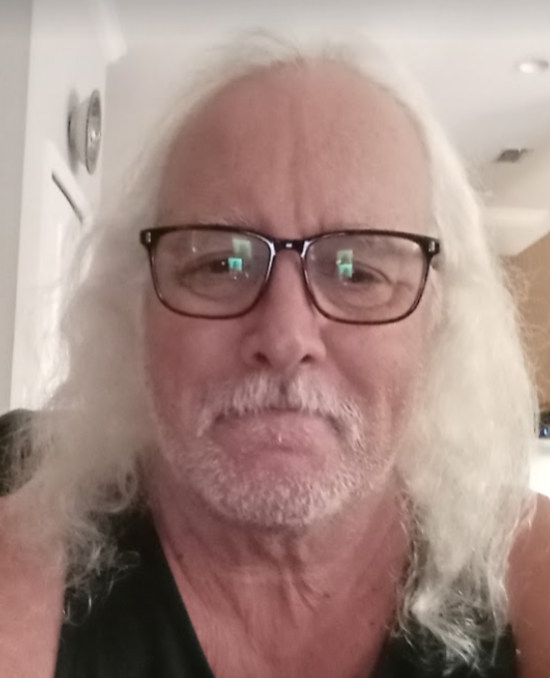
In 2005, a consulting assignment with CHEP became a full-time position. What began with application development grew into years of work involving financial reporting, supply-chain data, business intelligence and automation.
The tools continued to evolve: Microsoft Access and Excel/VBA, SAP and Business Warehouse, QlikView, SQL Server, Power BI, Python, Blue Prism, Power Apps and other technologies.
The names of the tools mattered less than what they allowed me to do with them: turn information into something useful and automate work that did not need to remain repetitive.
Along the Way
Over the course of those careers I worked as an analyst, developer, electronic engineering technologist, programmer, network and security administrator, operations manager and business intelligence analyst.
I collected and analyzed data, translated business requirements into technical solutions, diagnosed system and data-quality problems, developed applications and reports, supported customers and looked for ways to improve the processes surrounding the technology.
Communication was always part of that work. A technical solution has limited value if the people who need it cannot understand it or use it.
Education & Certifications
Formal education and professional training followed the work throughout my career.
- Associate Degree / Electronic Engineering Technology certification - Cleveland Institute of Electronics
- National Hardwood Lumber Inspector certification - Memphis, Tennessee
- Control Data Institute - Mainframe Programming: COBOL, Assembler, FORTRAN and BASIC
- Certified Network Engineer (CNE)
- Microsoft Certified Professional - SQL Server 2000 and Windows Server 2000
- Sybase Database Administration training
- George Washington University School of Business - Business Analysis studies
- International Institute of Business Analysis member
- Florida Real Estate Sales Associate, Mortgage Broker and Appraiser licensing
Today
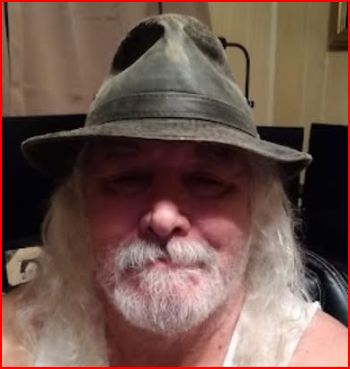
I retired from my full-time career in 2018.
Apparently retirement did not include retiring my curiosity.
I still use many of the same habits that followed me through the lumber yard, electronics, the Navy and decades of computer work: gather information, organize it, understand the problem, build something and then wonder whether it can be made a little better.
These days one example of that is my NordicTrack riding project. A stationary bike became mapped rides, ride history, Excel workbooks, reporting, Google Earth, photographs and eventually an entire website.
Different project. Different tools. Same approach.
Still Building
This website is not really a résumé anymore. The résumé just happens to live here.
It is a record of some of the roads that got me here and a place for whatever road comes next.
1970 — Today.
-

High School -
Navy -
IBM -
CHEP -

Santa -
Retired